
Fault Lines | The Sovereign Arsenal | Rearmament, Domestic Production, AI & the New Alliance Map
Global defence spending has risen for eleven straight years. The question for allocators is no longer how much governments spend, but where they spend it, on what, and alongside whom. In 2026 the answers are, increasingly: at home, on autonomy and software, and inside new alliances that no longer route everything through Washington.
#FaultLines, #MultipolarOrder, #DefenceSpending, #Rearmament, #DefenceIndustrialBase, #MilitaryAI, #MeccaDefenceAlliance, #JapanAustralia, #SAFE, #Localisation, #AllocatorWatch, #PunjabCapitalResearch


The AI Unwind | Rates, Credit & the Price of Compute
A hot inflation print met the most crowded trade in markets. Equities moved first, but the more durable signal is in credit, where the price of financing AI hardware is being reset one tranche at a time.
A crowding unwind meeting a rates shock, channel; positioning there is still elevated. not a verdict on AI demand. But it marks a regime change in our AI Stack Capital Map: the training-compute layer is now financed at high-yield prices, and that cost flows into inference pricing and lab margins. Within the stack, the dispersion is the opportunity. Names whose debt is backstopped by investment-grade suppliers or hyperscalers sit on the right side of the repricing; single-name neoclouds and speculative builds without anchor tenants sit on the wrong side.
#AIUnwind, #PrivateCredit, #Anthropic, #Blackstone, #Broadcom, #CoreWeave, #FedPolicy, #HedgeFunds, #Kospi, #AIStack, #CapitalInsights, #PunjabCapitalResearch



Berkshire After Buffett | Tech Moves From Exception to Allocation
What the Bending Spoons and Alphabet purchases say about the new allocation regime at Greg Abel’s Berkshire Hathaway
The old Berkshire did own tech, but as exceptions. IBM (2011), BYD (2008), Apple (2016) and the lieutenant-led Amazon and Snowflake positions were each bought on a specific rationale, usually at a modest multiple. None reflected a sector view. Under Abel, tech has become an allocation. In nine months Berkshire has built Alphabet into a top-three holding, ended a 14-quarter streak of net selling, and now owns ~4% of Bending Spoons at roughly 10x forward EV/sales. The more novel shift is how Berkshire buys. Both headline tech moves were primary capital: a $10B Alphabet placement and a Bending Spoons IPO allocation plus a $33 private placement. Berkshire is acting as anchor capital, not just as a buyer in the market. “Value” is being redefined rather than abandoned. Bending Spoons is a growth multiple on a value process. Berkshire is backing a capital allocator that does in software what Berkshire did in industrials.
#BerkshireHathaway, #GregAbel, #BendingSpoons, #Alphabet, #CapitalAllocation, #ValueInvesting, #AIStack, #SoftwareRollUps, #CapitalInsights

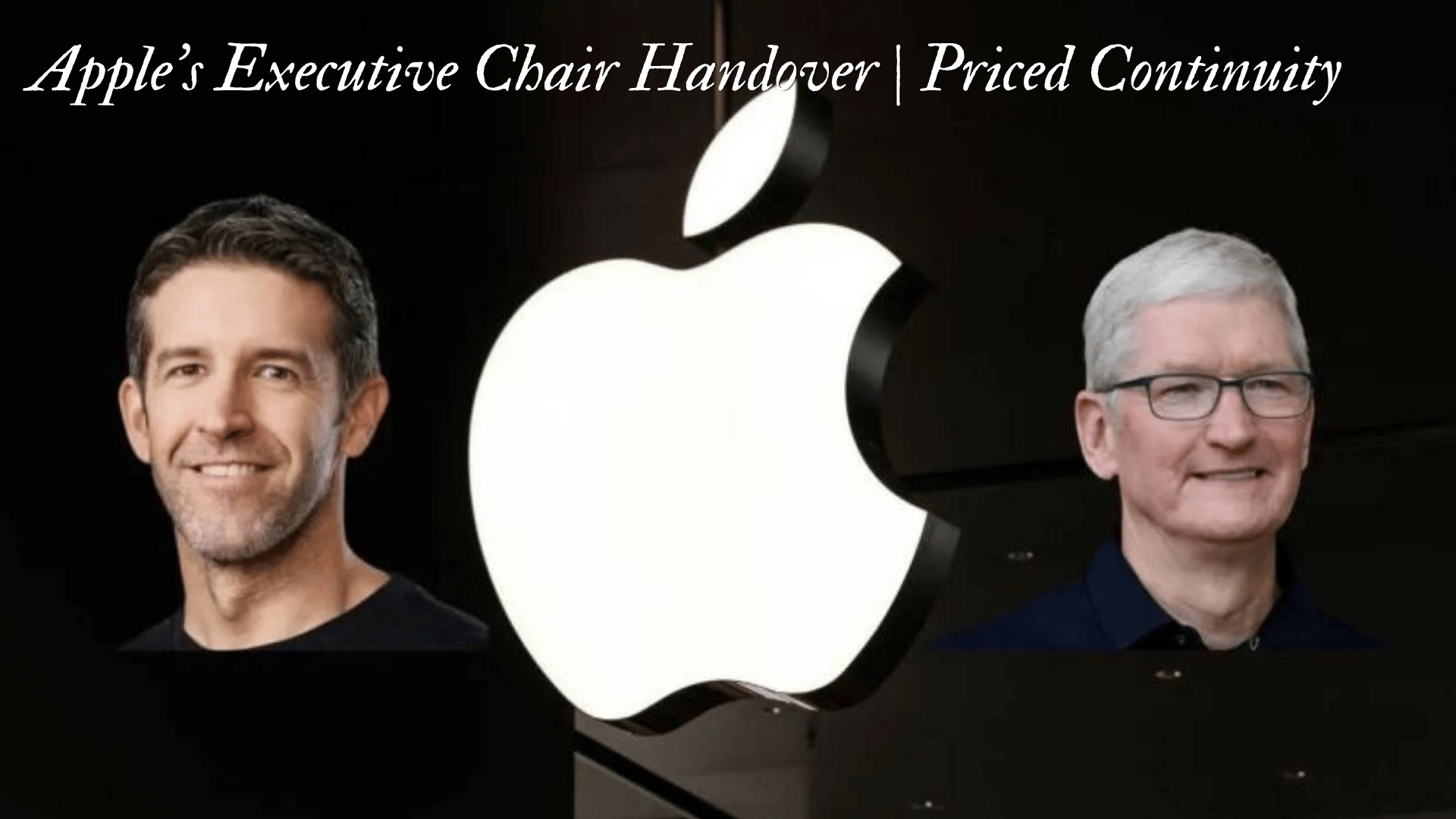
The Translator Trade | Why Amazon Would Pay $7 Billion to Make AI Chips Speak the Same Language
Amazon is in talks to buy Decart, a three-year-old AI startup, for about $7 billion. Decart's flagship products are video world models, but the prize is a piece of software that works like a universal translator for AI chips. The deal is a wager that, in the next phase of AI, the money sits less in owning the chip than in owning the translator.
Amazon has spent heavily to build an alternative to Nvidia's chips. What it has lacked is a way for those chips to understand the software customers have already written. A $7 billion translator, if the deal closes, is Amazon's attempt to buy that fluency, and to raise the return on a capital programme larger than any company has run before. Whether it works depends less on the engineering than on a ques‐ tion of trust: will a translator owned by one chip-maker still be trusted by everyone else? For investors, the broader lesson stands regardless of the outcome. In the next phase of AI, the most valuable real es‐ tate may be the thin layer between the model and the machine.
#CapitalInsights, #AIStackCapitalMap, #Amazon, #AWS, #Trainium, #Decart, #Nvidia, #Anthropic, #AIInfrastructure, #Inference, #MergersAndAcquisitions, #FundamentalsThroughTheNoise

Business of Luxury | Earnings Update | Kering Before the Q3 Print | Selling the Fragrance, Spending the Myth
Kering has raised cash by selling its beauty business on 50-year terms, while Gucci keeps changing creative direction and the wider industry pays the bill for a decade of marketing over making. A view ahead of the third-quarter release on 22 October. We do not think the market is wrong to be cautious. The beauty sale has repaired the balance sheet but narrowed Kering's future, and the group is still trying to fix a product problem with creative ap‐ pointments and marketing. Until Gucci shows sustained growth at full price, and Saint Laurent's transition is settled, we see the recent drawdown as a fair reflection of the risks rather than an obvious dislocation.
#Kering, #Gucci, #SaintLaurent, #LuxuryFinancialization, #LOreal, #Burberry, #Q3Earnings, #CapitalInsights, #PunjabCapitalResearch

Business of Luxury | Earnings Update LVMH - Growing in the Wrong Places | LVMH’s Q3 Miss & the Profit-Mix Problem in Luxury’s Stalled Recovery
The group number held. The engine did not. LVMH’s third quarter shows a portfolio that is still growing, but in the divisions that matter least to earnings, while its fashion franchise slips back into decline and both of its demand anchors weaken at once. LVMH opens what is expected to be a difficult reporting season. Even top-end houses such as Hermès are under pressure.
#BusinessOfLuxury, #LVMH, #LouisVuitton, #Dior, #LuxuryEarnings, #ChinaConsumer, #AspirationalLuxury, #Sephora, #HardLuxury, #PunjabCapitalResearch, #FundamentalsThroughTheNoise
The Creditor Wars | The Six-Stage Lifecycle of a Leveraged Asset | What Neiman Marcus Teaches Allocators About Leverage
Neiman Marcus has now been through two leveraged buyouts, a creditor-led reorganisation, a merger financed with secured bonds, a coercive debt exchange and a second Chapter 11 — all in twenty-one years. Read as a morality tale, it is about private equity. Read as a capital struc‐ ture, it is about something more useful: a repeatable sequence that determines who gets paid, and when.
For sovereign funds and family offices the practical issue is that a single portfolio typically sits on several sides of the same capital structure: buyout equity through PE commitments, senior loans through private credit or CLO equity, and the eventual fulcrum through special-situations funds. Returns in this cycle ac‐ crue to whoever can act at stage four. The broader point for portfolio construction: the leveraged-finance system has shifted value from passive, par-buying capital toward active capital that can organise and fund. An allocator who is structurally passive in the credit sleeve should expect to be on the paying side of stage four, and price that into the spread they accept.
#CreditorWars, #NeimanMarcus, #LiabilityManagement, #LeveragedFinance, #DistressedDebt, #PrivateCredit, #PrivateEquity, #CapitalStructure, #Allocators
The Hurdle-Rate Order | How $100 Oil & a 5% Treasury Are Sorting Asia’s Capital | Fault Lines Series
Fault Lines | The Multipolar Order
The Hurdle-Rate Order | How $100 Oil & a 5% Treasury Are Sorting Asia’s Capital
A war in the Gulf has become Asia’s cost of capital, priced in Washington. Every Asian asset is now being re-scored against a 5%+ risk-free rate. Singapore shows what happens even to a haven when the hurdle rises; India shows what happens to a growth market that fails it on currency.
The fault line - In a multipolar order Asia was supposed to set more of its own prices. This autumn it is taking its discount rate from a Gulf war and a Federal Reserve it cannot influence. The markets that hold up are those whose plumbing, not their story, absorbs the shock.
#FaultLines, #MultipolarOrder, #HurdleRate, #USTreasuries, #FedPolicy, #OilShock, #Singapore, #SGS, #SingaporeBanks, #OCBC, #India, #FPIFlows, #ChinaEquities, #AsiaCapitalFlows, #PunjabCapitalResearch

The Ring & the Rent | Oura's Shelved IPO & the Pricing of Single-Product Companies
Oura asked public markets to pay a platform multiple for a business that still earns four of every five dollars selling hardware. The market's answer was not "no." It was "not at this price, and not with this much stock coming out the door."
Oura is not a one-hit wonder in trouble. It is a profitable, fast-growing company that tried to sell its future business model at today's prices, through a structure built for insider liquidity. The market priced the ring. The company wanted it priced as the rent. The gap closes either through time, as membership and payer revenue grow into.
#Oura, #IPO, #SmartRing, #HealthTech, #Wearables, #EquityCapitalMarkets, #Valuation, #Roku, #FoxCorp, #EliLilly, #LockUps, #LuxuryEconomics, #CapitalInsights, #PunjabCapitalResearch



Made in America, Sold Abroad | BlackRock's Tokens & the Two-Tier Tokenization Market
BlackRock, the world's largest money manager, has let a crypto firm called Ondo Finance turn three of its ready-made investment mixes into digital tokens. These mixes, known as model portfolios, are preset recipes that financial advisers buy off the shelf instead of picking funds themselves. They are a big business: assets in them grew from $7.7 trillion to $9.8 trillion in the year to June.
This is the first time BlackRock has designed portfolios for another firm to turn into tokens. There is one line that matters more than the rest: the tokens are for non-US investors only, and buyers do not own the funds inside. They get the price moves, not the ownership.
#Tokenization, #MultipolarOrder, #BlackRock, #DollarSystem, #CapitalMarkets, #ModelPortfolios, #DigitalAssets, #MAS


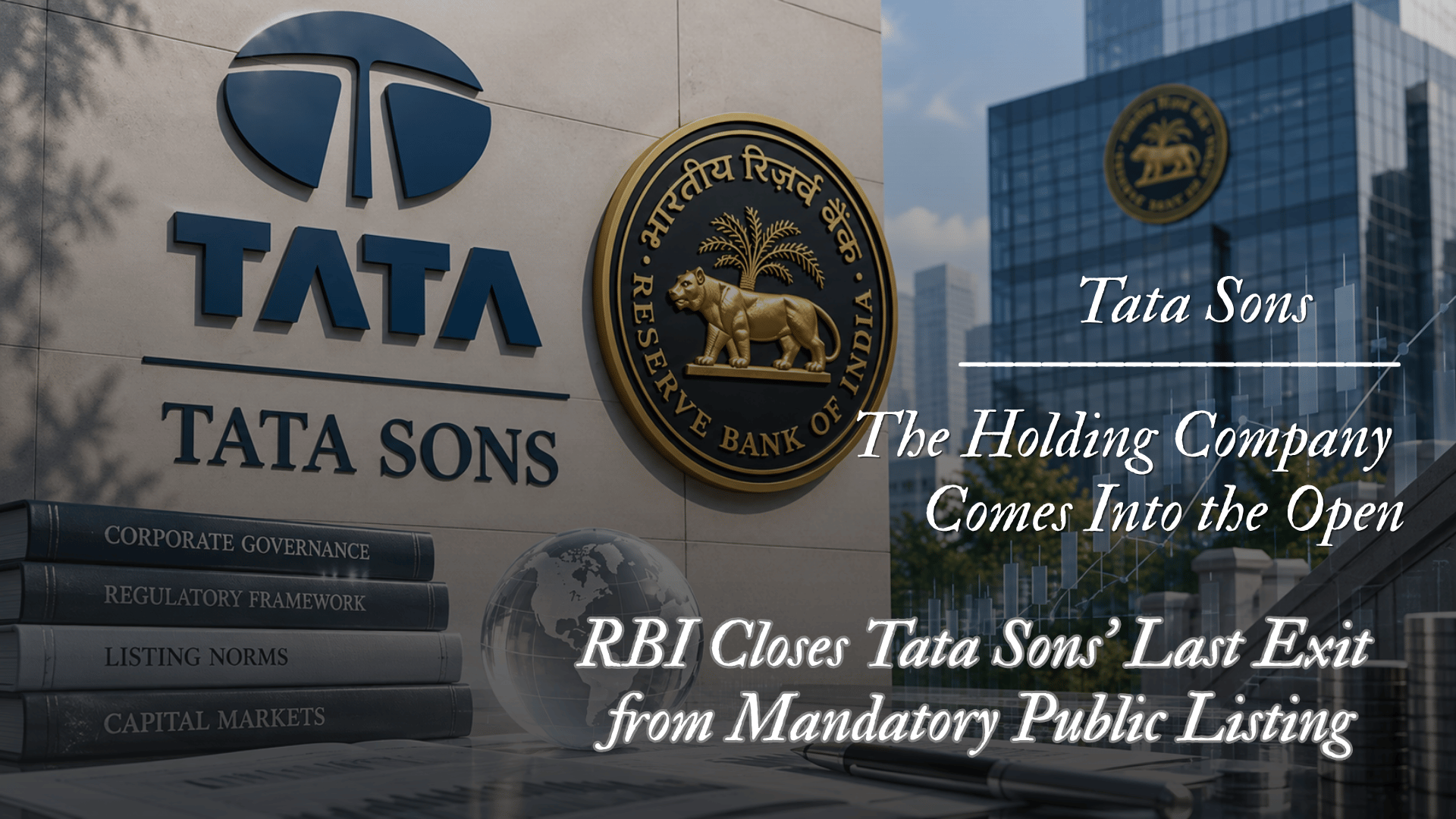
Tata Sons | The Fight Moves to the Price
RBI Closes Tata Sons’ Last Exit from Mandatory Public Listing
The Board Accepts the Listing; the Trusts Counter With a Buyout and a Legal Reading. The RBI's order was meant to end the uncertainty around Tata Sons. Two weeks on, it has done the opposite — converting a compliance question into a contest over control, timing, and the one thing the letter never fixed: what the holding company is worth, and who gets to set the number.
#TataSons, #RBI, #NBFCUpperLayer, #TataTrusts, #ShapoorjiPallonji, #Valuation, #CorporateGovernance, #IndiaCapitalMarkets, #NCLT, #PriceDiscovery, #CapitalInsights, #PunjabCapitalResearch
Meta's Commerce Stack | Muse, Smart Glasses & Monetisation of AI Beyond Advertising
Connect 2026 turned Meta's wearables line into a checkout counter. The platform contest is no longer about who owns the operating system. It is about who owns the agent holding the wallet.
The smartphone era made Apple and Google toll collectors on digital commerce. Meta spent a decade paying that toll and has now built every piece needed to route around it: an agent people use, merchants that accept it, rails that settle it, and endpoints it owns, sold through the world's dominant eyewear house. The fee is small and the risks are real. But the strategic shift is clear. The next platform war will be decided less by whose model is smartest than by whose agent is standing at the till when the customer says yes.
#CapitalInsights, #Meta, #MuseAI, #AgenticCommerce, #SmartGlasses, #EssilorLuxottica, #AIStack, #DistributionReset, #LuxuryFinancialization, #PunjabCapitalResearch

The Late-Cycle Marker | SoftBank, OpenAI & What History's Largest Junk Deals Foretold
A record $11 billion below-investment-grade bond, raised to fund a private AI stake, read against a century of late-cycle credit records — and what the pattern says about where the AI cycle now stands.
That superlative — "largest junk deal ever" — is where most of the coverage begins and ends. It is also the least interesting fact about the transaction. Size records in high yield fall routinely as the asset class grows; the notional alone tells you almost nothing. What matters is the conjunction this deal puts in one instrument: a record notional, a below-investment-grade rating, and a use of proceeds that is neither a refinancing nor a capex programme against owned, cash-generating assets, but a follow-on equity stake in a private company that throws off no distributable cash. When those three converge, the deal stops being a financing event and becomes a tape-read.
#SoftBank, #OpenAI, #HighYield, #JunkBonds, #AICapex, #CreditCycle, #Numericable, #DataCenters, #PrivateCredit, #CapitalCycle, #MasayoshiSon, #Fibre2001
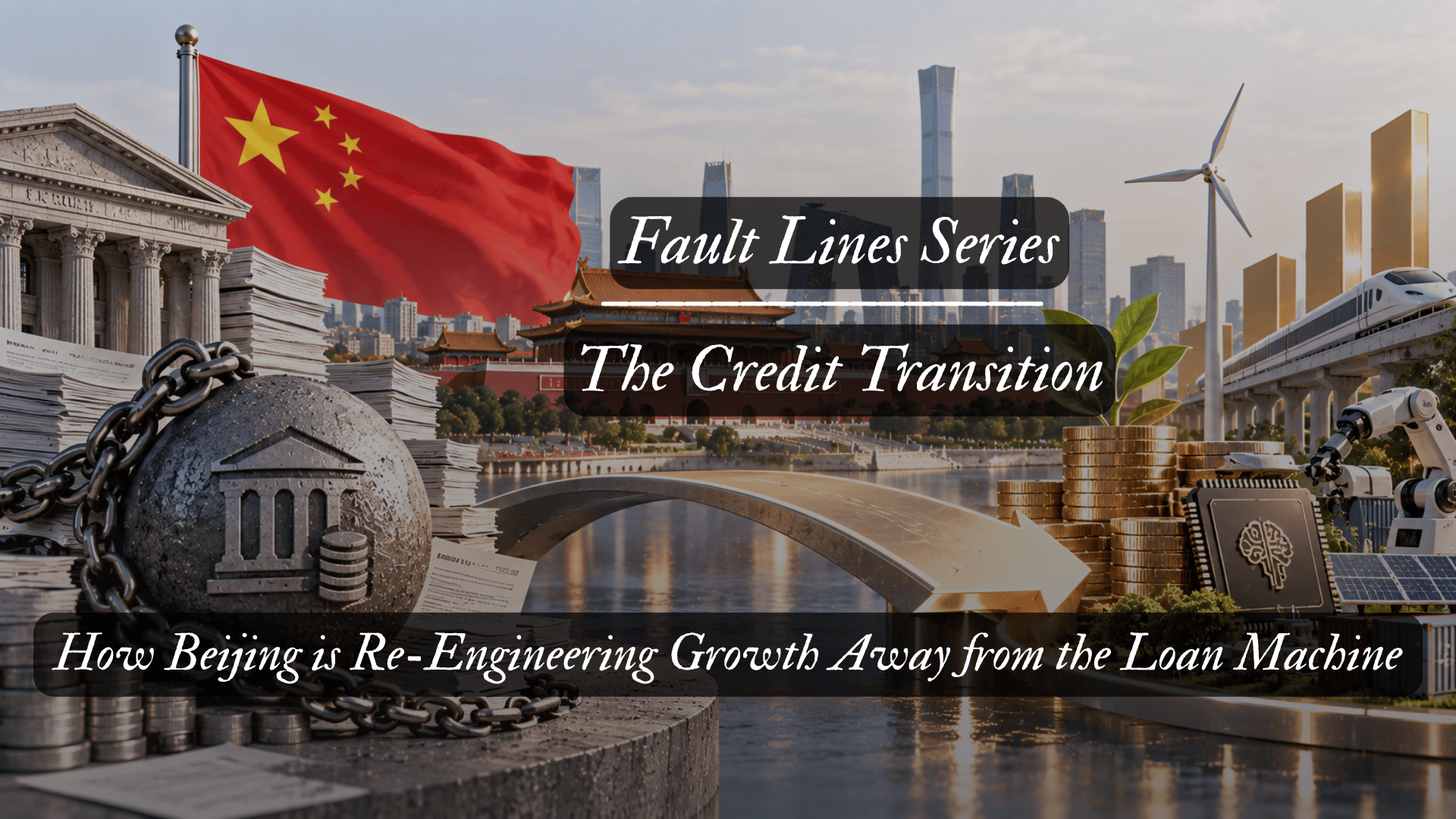
The Credit Transition | How Beijing is Re-Engineering Growth Away from the Loan Machine
The reassuring headline was that China's banks returned to net lending in August. The funda‐ mental underneath it is larger and less comforting: the central bank has now put the exhaus‐ tion of the credit-driven growth model on the record, in the Party's own doctrinal journal, and set out the apparatus meant to replace it. The diagnosis is honest and the plan is coherent. The binding constraint is neither vision nor will — it is speed and sequencing.
Beijing has stopped defending the old credit model and started dismantling it in public. The dia‐ gnosis — idle funds, rising leverage, a demand-side rather than supply-side constraint — is correct, and the falling macro leverage ratio shows the intent is real. But direct financing cannot backfill a shrinking property-loan book at speed, supply-side tools cannot conjure borrowers who are re‐ pairing balance sheets, and directed credit risks importing overcapacity into the new industries. Read it as a credible, multi-year transition, not a stimulus cycle — and expect its near-term sig‐ nature to be soft credit, a firmer bid for duration, and a liquidity-led rather than earnings-led lift in onshore markets.
#China, #PBOC, #PanGongsheng, #CreditTransition, #Deleveraging, #DirectFinancing, #MacroLeverage, #Fif‐ teenthFiveYearPlan, #SocialFinancing, #CGB, #Renminbi, #MultipolarOrder, #CapitalInsights
Washington Reclaims Tokenized Stock Trading
Ignore both the “historic revolution” and the “nothing to see here” takes. This is a deliberately limited, legally fragile bridge — built to pull a fast-moving business back onto US soil and shape it before it grew up somewhere else. The part that matters most isn’t people trading Apple at midnight. It’s the quiet groundwork for these tokens to become plumbing in the wider financial system — and the two-regulator standoff that decides how far, and how fast, Washington can take it.
#Tokenization, #MultipolarOrder, #CapitalMarkets, #SECvsCFTC, #DollarSystem, #Repo
Three Bets on Digital Money | China’s State Coin, America’s Private Dollar & the Hedge Between
Ignore the “everyone’s going digital” headline — that’s the surface. Underneath, the world is splitting into three camps that don’t fully fit together: one built on state control, one on private reach, one on staying in the middle. The technology is shared; the belief about who should control money is not. The real question for the decade isn’t whether money goes digital. It’s whose version of digital money the rest of the world ends up plugging into — and what it costs to be on the wrong side of the wall.
#DigitalMoney, #Stablecoins, #CBDC, #MultipolarOrder, #DollarSystem, #eCNY
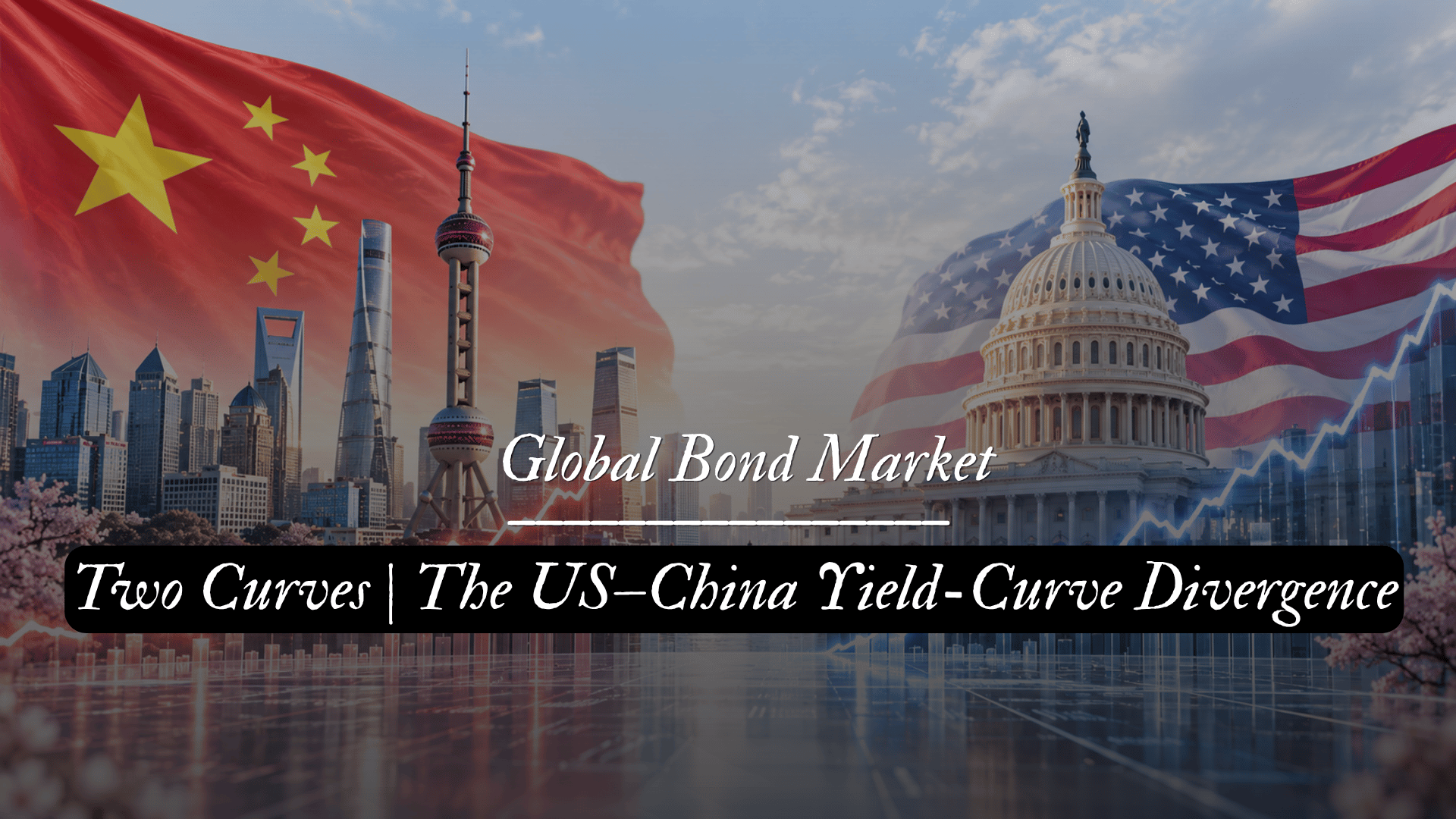

Vietnam's FTSE Upgrade & the Passive–Active Divide
On 21 September, Vietnam graduates from frontier to secondary emerging status in the FTSE Global Equity Index Series. The mechanical buying has already begun. The conviction it is meant to summon has not — and the gap between the two is the entire trade.
The deeper question — whether Vietnam can convert a mechanical reclassification into durable institutional capital — is finally a geopolitical one: where it sits in the China+1 supply-chain reallocation, how the tariff overhang resolves, and whether it can graduate into the emerging-market mainstream the way the region's middle powers have been attempting. That is the subject of the companion Fault Lines piece, to be written once the post-upgrade tape gives us something to grade.
The passive flow is guaranteed and small. The active flow is large and conditional. And the gap between them — not the ribbon- cutting on 21 September — is where the next twelve months of Vietnam's re-rating will actually be decided.
#Vietnam, #FTSERussell, #EmergingMarkets, #IndexInclusion, #PassiveFlows, #ActiveManagement, #VNIndex, #ASEAN, #ForeignFlows, #CapitalMarkets, #PunjabCapitalResearch

AI’s Invisible Throne | Capital Insights Series
Based on Ed Dowd’s articles: “The AI Game Of Thrones” and “The Post Labor Day AI Panic Psyop Has Been Launched!”
The Core Argument The public debate over AI safety is not primarily about protecting humanity. It is a contest for power, money, and regulatory control. Two factions are fighting over the future of AI, while the average citizen remains outside the room.
Bottom Line Ed Dowd’s two articles frame the AI fight as a modern Game of Thrones. The Iron Throne is up for grabs. House Monopoly offers a dystopian, licensed future. House Speed Racer offers speed without addressing legitimate public concerns. The smallfolk—ordinary citizens—are still not invited to the coronation. The question is whether a third path can put them at the table before the rules are written.

A Directional Map of World Currencies Under the Twin Shock
Where the World’s Currencies Sit | A Directional Map Under the Twin Shock
Spot levels are the noise; position is the signal. A quote of 154 on dollar-yen or 95 on the rupee tells you little on its own — what matters is where a currency sits in the structural order and which way it is travelling. And what sets that position is, above all, the strength of a country’s economy: not its size or its growth rate, but its external configuration — terms of trade, the balance of payments, the buffers it can draw on, and the credibility of its policy. Capital flows, official intervention and sentiment sit on top of that as a secondary overlay. This note maps where the major and Asian currencies sit under the live shock, and, more to the point, why they sit there.
#FX, #Currencies, #OilShock, #USYields, #TermsOfTrade, #DollarParadox, #ASEAN, #Yen, #EmergingMarkets, #Macro, #PunjabCapitalResearch

The Wealth Stack | How the Wealth Model Actually Earns | Four Revenue Layers & Which Ones AI Breaks
Four Revenue Layers | Advice, Lending, Access, Inertia & Which Ones AI Breaks
A wealth-management franchise is priced by the market as though it earns one kind of rev‐ enue — a fee on assets, sticky and compounding with the market. It does not. Beneath the single reported line sit four distinct engines: a fee on advice, a spread on lending, a toll on ac‐ cess, and a spread on inertia. Each carries a different exposure to the force now reordering the industry. Artificial intelligence does not compress the wealth model evenly — it dissolves friction, and only some of these engines are
#TheWealthStack, #DistributionReset, #NetInterestIncome, #SweepCash, #DirectIndexing, #TaxAlpha, #PledgedAssetLines, #PrivateMarkets, #iCapital, #CAIS, #Custody, #Schwab, #Altruist, #AIStack, #DataAndDistribution, #PunjabCapitalResearch, #FundamentalsThroughTheNoise